01 / Light and material.
How does the character of an object change when light and background are chosen deliberately?
Studies
One subject, many possibilities. This collection explores image enhancement and cinematic design. The examples are presented independently of any particular industry.
Image studies
A different crop, more precise lighting, or another atmosphere changes how we see an image. Side-by-side comparisons make the choices behind framing, light, and mood especially clear.
How does the character of an object change when light and background are chosen deliberately?
How can a new composition change our perception without losing the actual subject?
What can we bring out in an image without inventing documentary information?
01 / Commerce and makers
Film studies
FILM STUDY 01 / COMMERCE AND MAKERS
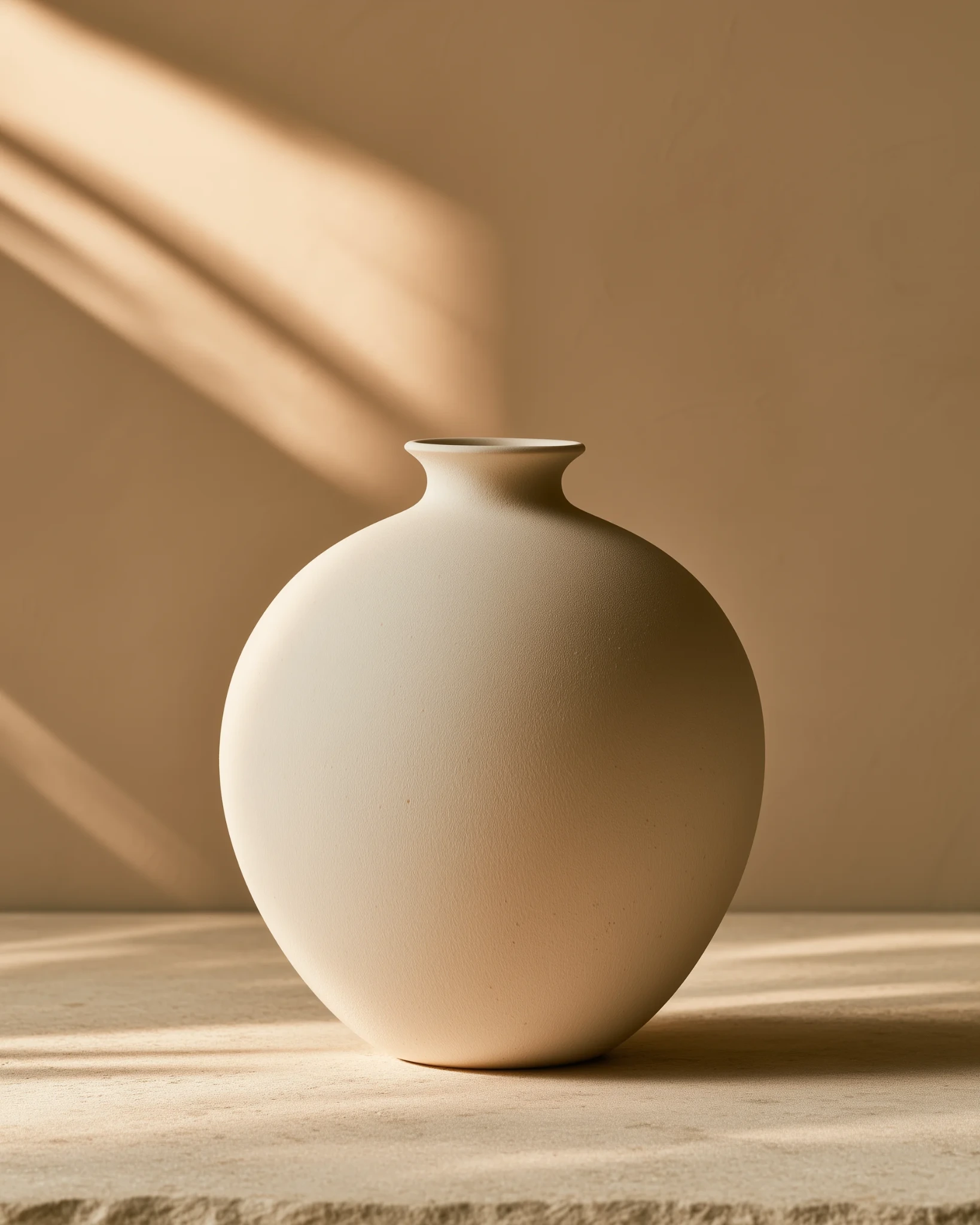
A ceramic object. Light, material, and restrained motion turn a single image into a cinematic product study.
Creative approach
A short movement can reveal a product's character: an edge, a material's surface, or the sense of depth in an object.
The question is whether movement makes form and material easier to understand without changing the product's actual properties. More about commercial applications.
A short advertising story
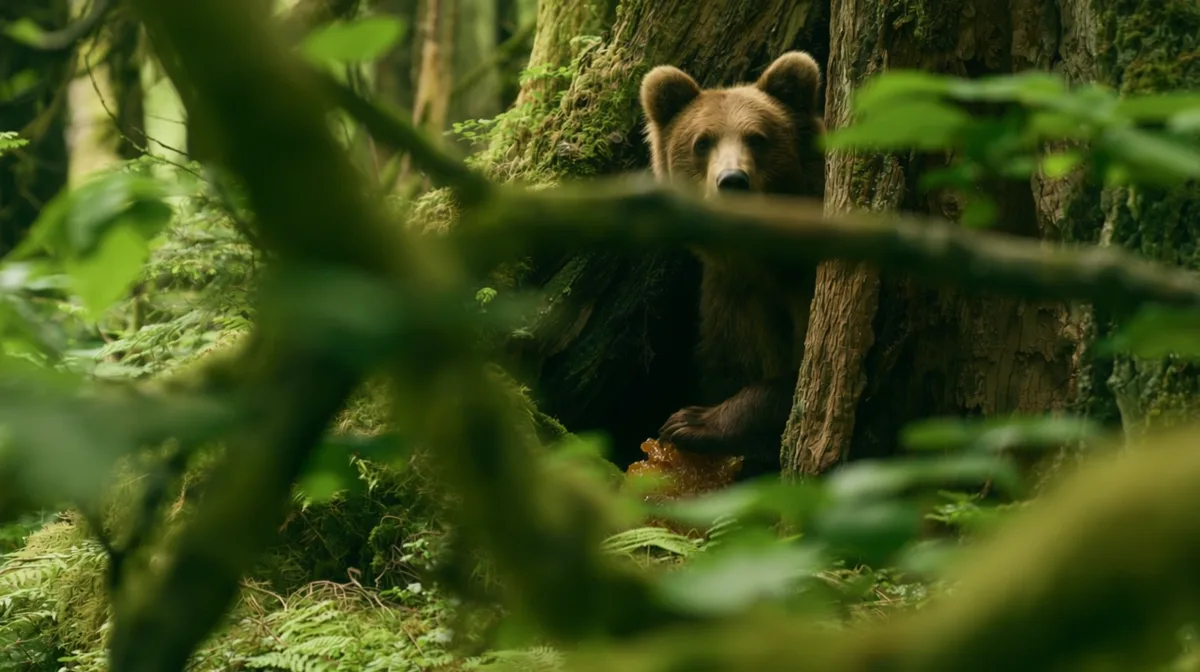
A bear, a hiker, and an unexpected change of perspective. This film study shows how a simple idea can become a playful story for a beekeeping store.
FILM STUDY 05 / COMMERCE AND MAKERS
A hiker is craving something sweet. In the forest, he spots a bear already helping itself to a honeycomb. But the encounter takes an unexpected turn. A playful little advertising story that shows there is an easier way to harvest honey.
02 / Art and culture
FILM STUDY 02 / ART AND CULTURE
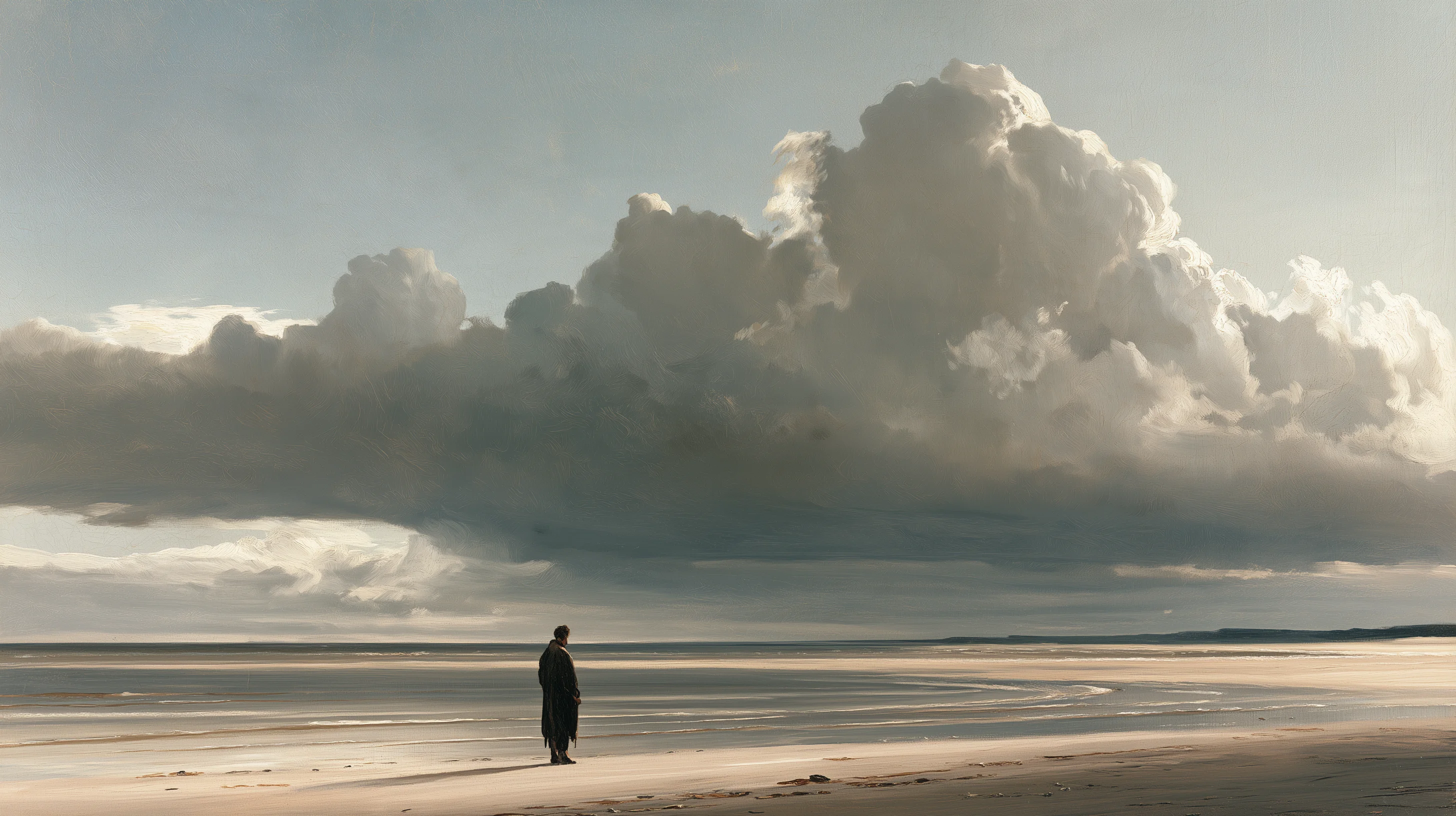
A cinematic exploration of art. Details, light, and motion reveal a new perspective on the subject.
Creative approach
A thoughtful approach to an artwork can deepen attention without turning it into a spectacle of effects. Motion should have a clear purpose.
For the design, it matters which aspects of the work must remain unchanged and where interpretation makes sense at all. More about art and culture.
Image study / Felt weasel
Three interpretations of the same felt figure: the original photograph, a newly composed image, and a short film. Together they show how an existing image can become a visual narrative.
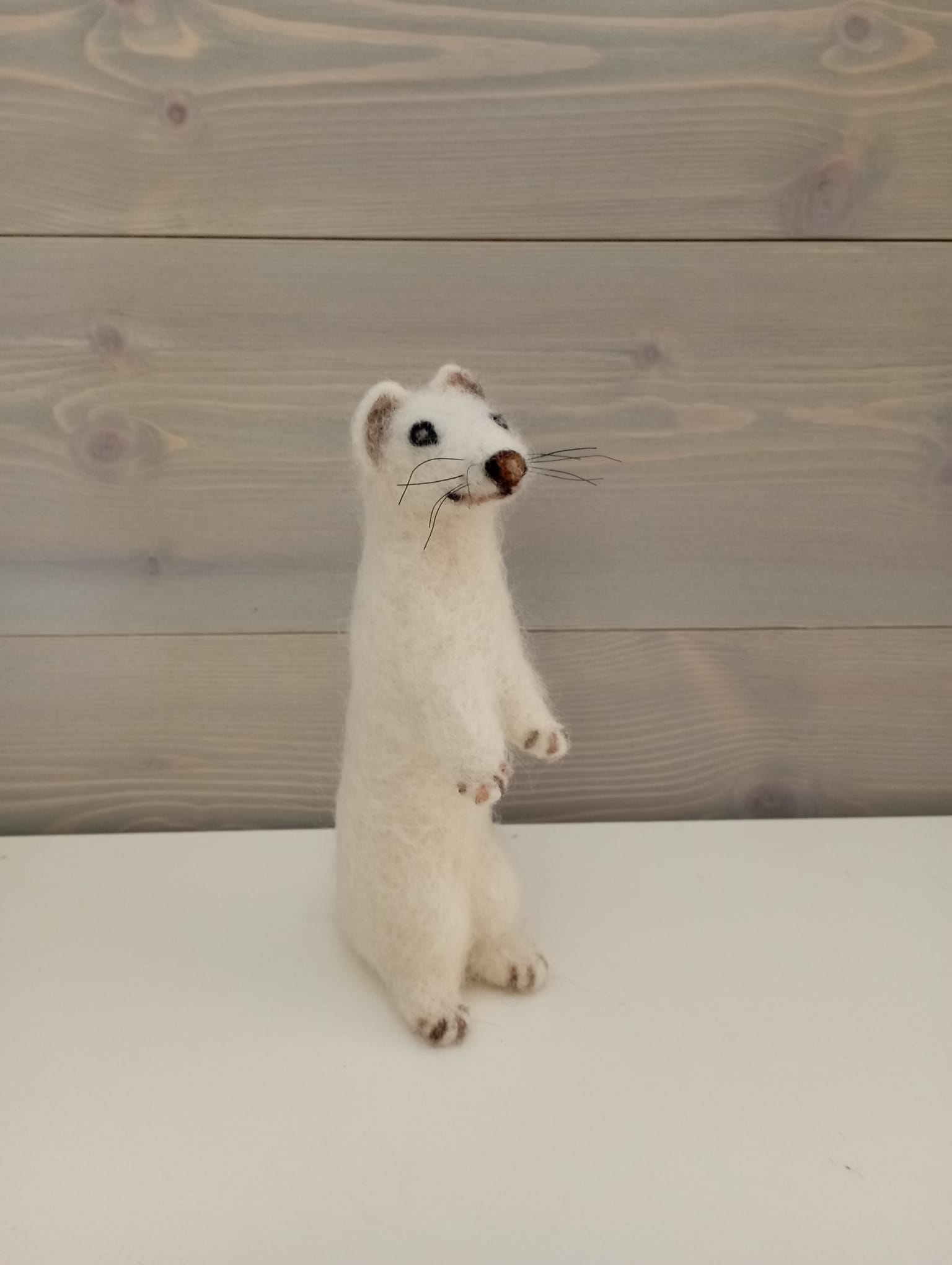
A handmade felt figure, photographed against a simple background.

Warmly lit in front of a stack of firewood, preserving the material, expression, and handmade details.
The weasel comes to life and disappears between the logs.
Original figure handmade by the artist. Image refinement and digital film design: vermonta.design. The new setting is a creative interpretation, not a documentary photograph of the artwork.
03 / Archives and education · The past in motion
Historical photographs, architecture, and scenes of everyday life offer a window into the past. For schools and educational institutions in particular, gentle motion can sharpen our attention, provided the boundary between source and interpretation remains clear.
FILM STUDY 03 / ARCHIVES AND EDUCATION
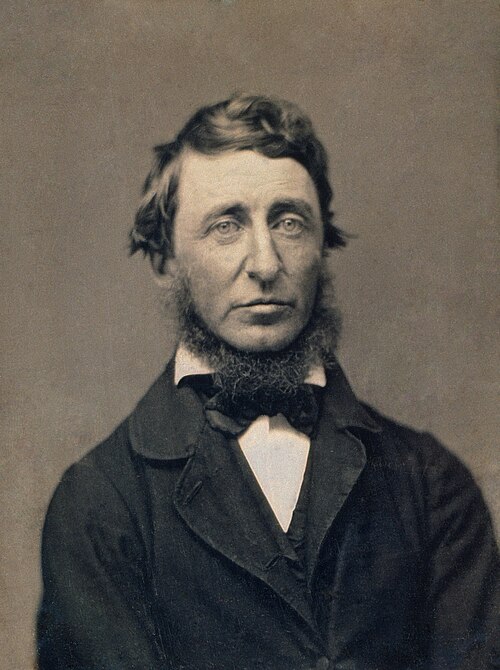
Henry David Thoreau (1817-1862) and his call for a simpler life. An artistic animation of his historical portrait, not documentary footage.
Thoreau and what matters
Henry David Thoreau (1817-1862) was an American writer, naturalist, and philosopher. In Walden (1854), he urged readers to simplify their lives: “Simplicity, simplicity, simplicity!” and “Simplify, simplify.” The threefold “Simplify!” in the film is a deliberate artistic adaptation of his appeal.
That idea also shapes how I work: first, understand what matters. Not every technical possibility needs to be used, and not every movement makes an image better. A clear idea, a sense of harmony, and the willingness to leave things out give the essentials room to speak.
This film is an artistic animation of a historical portrait, not a record of Thoreau's actual movements. The source image remains available for comparison. More on teaching history
Source image and film
Seeing the source image alongside the film reveals the chosen movement and the boundary between documented material and interpretation.
A few carefully considered images are more revealing than a vast catalog of interchangeable effects.
Even for standalone image enhancement, comparison with the source can help. It reveals the creative decision, not merely the technical transformation.
Whether you come with an idea or an existing image, I can develop it into a standalone image, moving imagery, or a film.
Discuss a project